✦
Diwali ’26 gifting is open
Custom hampers from 10 to 10,000 pieces, branded with your logo.
Explore Diwali gifts✦

Screen Printing vs Embroidery (and Everything In Between): Which Is Right for Your Branded Apparel?
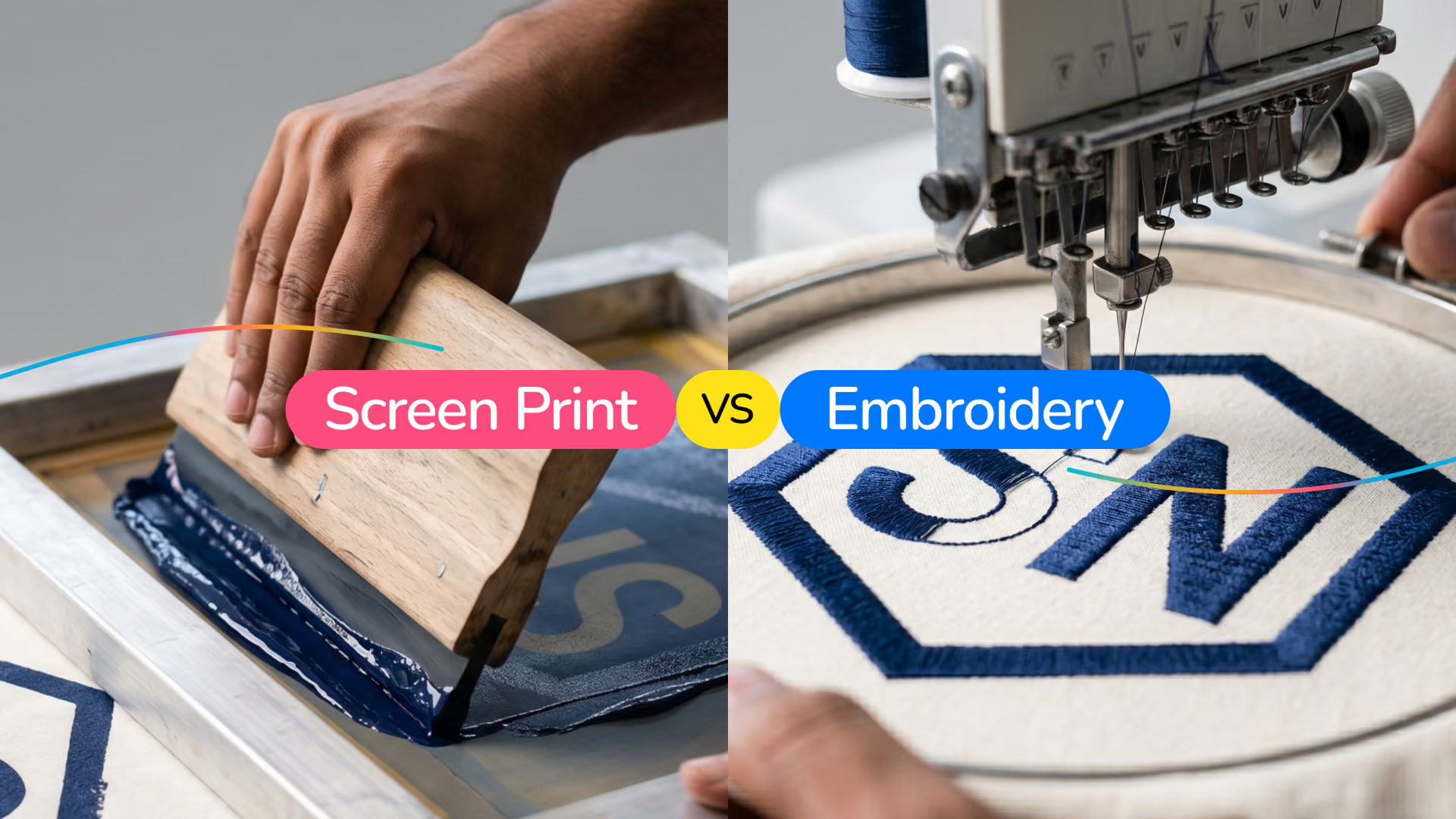
When you are ordering branded tees, polos or jackets for your team, the customisation method shapes how the logo looks, how long it lasts and what it costs. There is no single right answer. The right choice depends on three things: the fabric, the artwork, and the garment. Here is how to think through it.
The four main techniques
Screen printing pushes ink through a mesh stencil directly onto the fabric. It produces vibrant, flat colours and works well on cotton and cotton blends. Each colour in your design requires a separate screen, so setup costs are fixed regardless of quantity. The more units you print, the lower the per-unit cost. Screen printing is best suited to designs with up to 3 or 4 solid colours.
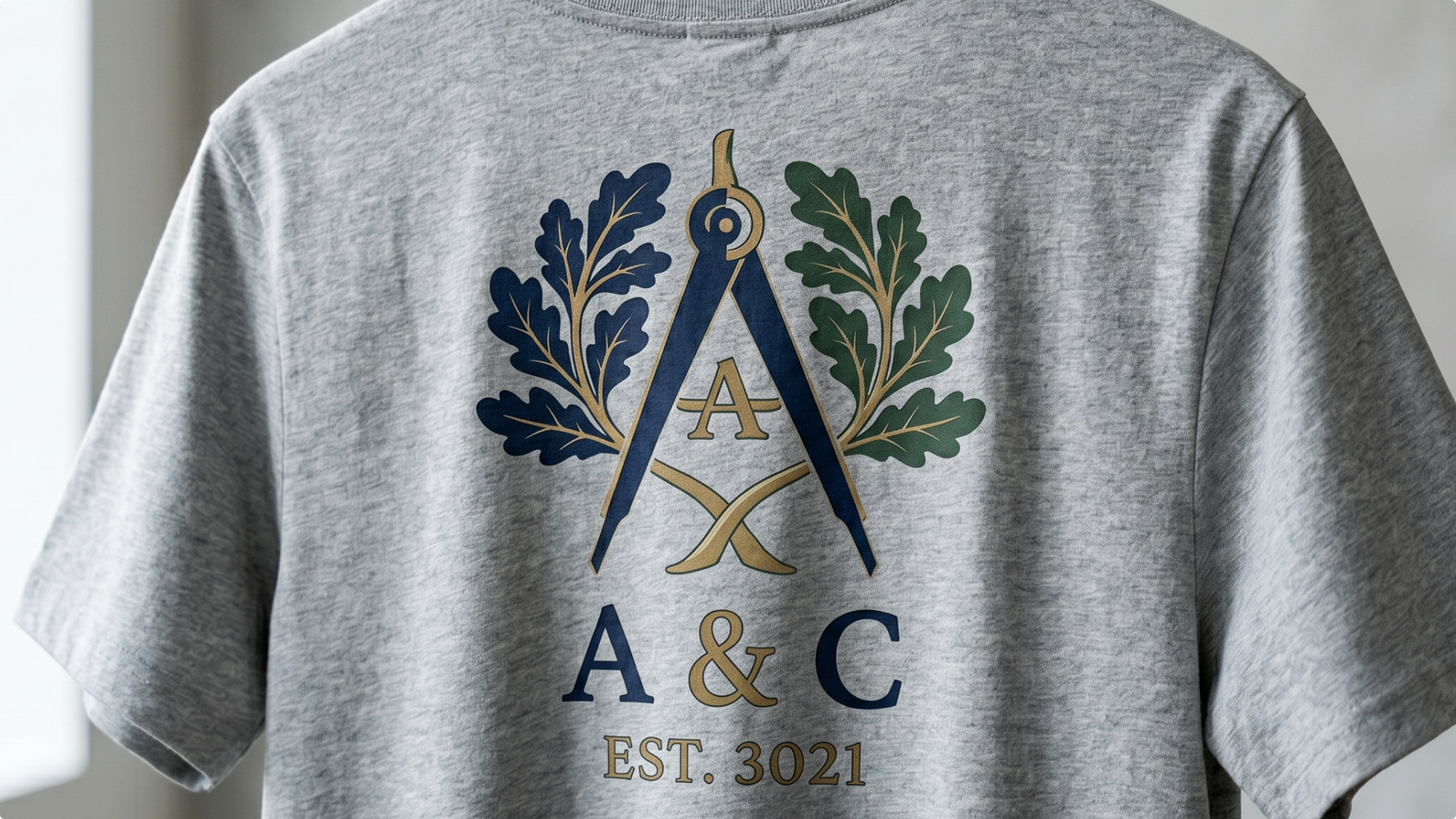
Digital sticker printing transfers your design onto a specialised vinyl or transfer film, which is then heat-pressed onto the fabric. It works well on cotton and supports multiple colours and gradients, making it a good option for complex artwork that screen printing cannot handle cleanly. It handles multiple colours and gradients with ease, making it the right choice when your artwork is complex, photo-realistic or uses more than 4 colours. There are no per-colour setup costs, which makes it practical for smaller runs with detailed designs.
Sublimation printing uses heat to transfer ink from special paper onto the fabric. It produces sharp, full-colour results with no added texture or weight on the garment. The key limitation: sublimation only works on polyester fabric. Cotton will not take sublimation. If your team wears polyester jerseys, sports tees or performance wear, sublimation gives the cleanest finish.
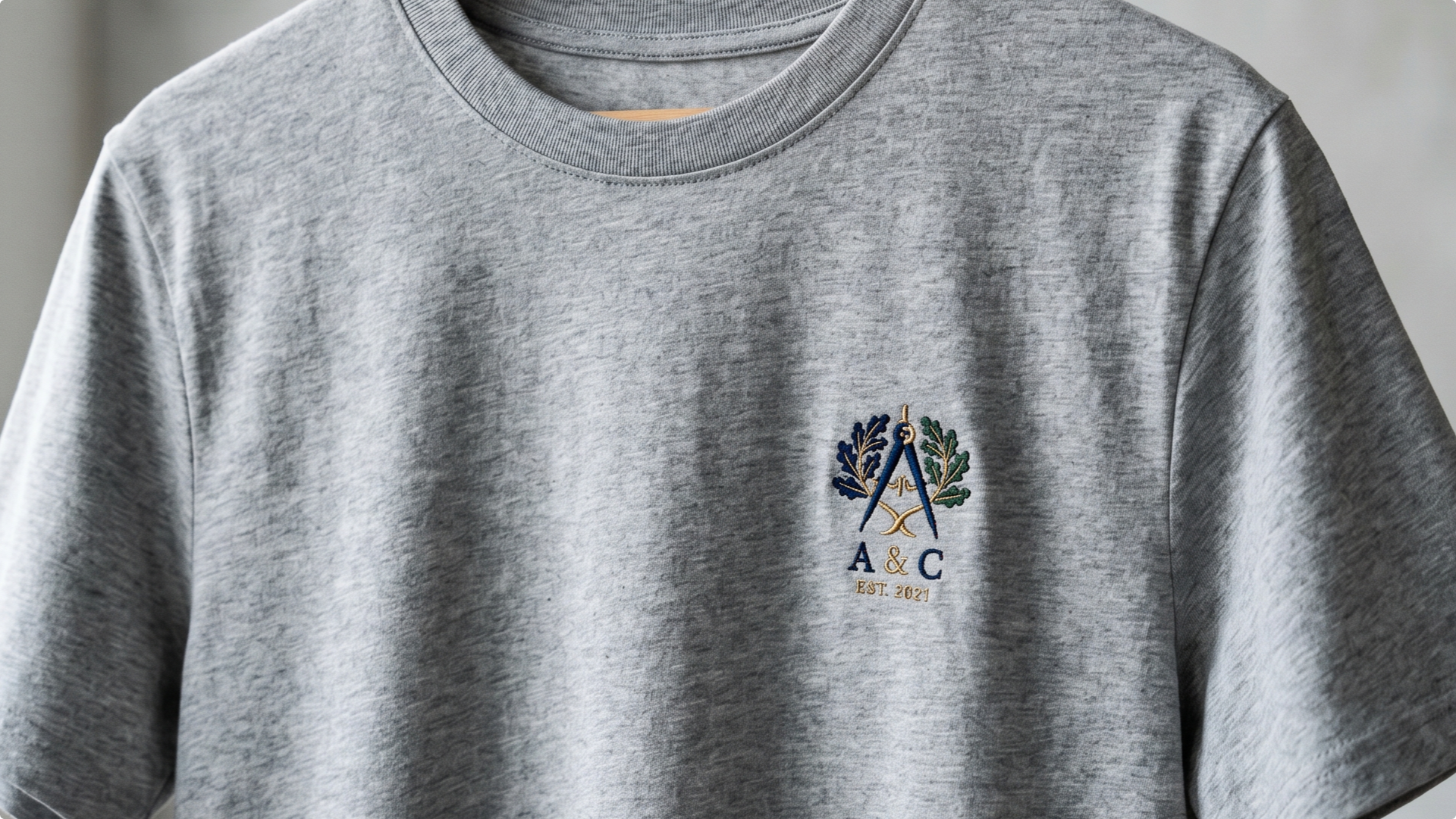
Embroidery stitches your logo directly into the fabric using thread. The result is a textured, raised finish that looks premium and professional. It works across almost every fabric type and holds up extremely well over time. Setup involves creating a digitised version of your design, which is a one-time cost.
How to choose: the three deciding factors
Three variables drive the right decision: number of colours in the design, size of the artwork, and the fabric type.
Number of colours: If your design has more than 3 or 4 colours, or involves gradients, printing is the better route. Embroidery works best with simple, bold logos where fine colour detail is not the point.
Artwork size: Embroidery works well for designs up to about 4x4 inches. Beyond that, stitch count increases significantly and costs rise. For artwork in the 4x4 to 8x10 inch range, embroidery can still work but printing starts to make more sense on cost. For very large artwork, say a full back print, printing is the clear choice.
Fabric type: Cotton supports screen printing, digital printing and embroidery. Polyester supports sublimation and embroidery. Knowing your fabric narrows the options quickly.
Which method works for which garment
- Round-neck tees (cotton): Printing works very well. Use screen printing for simple logos, digital printing for complex or multi-colour artwork.
- Polo shirts: Embroidery suits polos better. The textured pique fabric pairs naturally with the raised finish of embroidery, and the chest or collar placement looks sharp.
- Sweatshirts and hoodies: Printing works best. The flat fleece surface takes ink cleanly and a printed graphic sits well on the chest or back.
- Polyester jerseys or performance wear: Sublimation is the preferred method. Full-colour, no texture added, and the print becomes part of the fabric itself.
- Jackets and caps: Embroidery is the standard choice. It withstands outdoor use and looks sharp even after extended wear and washing.
Both sweatshirts and polyester garments also support embroidery if that is the preferred finish. These are guidelines, not hard rules.
Durability and fabric care
Embroidery outlasts printing in general. Thread does not fade, crack or peel the way ink can over time. A well-embroidered logo will still look good after years of regular use.
Screen and digital prints can last equally long when looked after properly. To get the most out of any customised garment: wash in lukewarm water rather than hot, avoid rough scrubbing directly on the print or embroidery, and do not dry in direct sunlight for extended periods. UV exposure fades both ink and thread over time. Turning printed garments inside out before washing also helps protect the design surface.
Fabric quality matters too. A well-made cotton base holds print better than a loosely woven one, so the garment itself is worth factoring into the decision alongside the customisation method.
Quick reference
- Simple logo, 1 to 3 colours, cotton, large quantity: screen printing
- Complex design with gradients or many colours, cotton: digital printing
- Polyester fabric: sublimation printing
- Polos, caps, jackets, formal uniforms: embroidery
- Artwork larger than 8x10 inches: printing over embroidery
- More than 4 colours in the design: printing over embroidery
The right choice often sits at the intersection of multiple factors. The ATC sales team will review your artwork, fabric and quantity and recommend the method that gives you the best result at the best price.
Frequently asked questions
What is the difference between screen printing and embroidery?
Screen printing pushes ink through a mesh stencil for vibrant, flat colour, and suits cotton and designs with up to 3 or 4 solid colours. Embroidery stitches the logo in thread for a raised, premium finish that works on almost every fabric.
Which customisation method is best for polos, jackets and caps?
Embroidery. It suits the textured polo fabric and holds up well on jackets and caps through outdoor use and repeated washing.
What is the best printing method for polyester garments?
Sublimation, which gives full-colour results with no added texture. It only works on polyester, not cotton. Polyester also supports embroidery if you prefer that finish.
What should I use if my logo has many colours or gradients?
Digital sticker printing. It handles multiple colours, gradients and photo-realistic artwork with no per-colour setup cost, which makes it practical for smaller runs. Choose printing over embroidery for any design with more than 4 colours.
How large can embroidery be before it stops making sense?
Embroidery works well up to about 4x4 inches. Between 4x4 and 8x10 inches, printing starts to make more sense on cost. For very large artwork like a full back print, printing is the clear choice.
Which lasts longer, embroidery or printing?
Embroidery generally lasts longer, because thread does not fade, crack or peel the way ink can. Prints can last just as long with care: wash in lukewarm water, avoid scrubbing the design, turn printed items inside out and avoid long direct sun exposure.
Make Your Next Order Your Best One Yet.