✦
Diwali ’26 gifting is open
Custom hampers up to 10,000 pieces, branded with your logo.
Explore Diwali gifts✦

How to brief a merchandise vendor: a checklist for first-time buyers
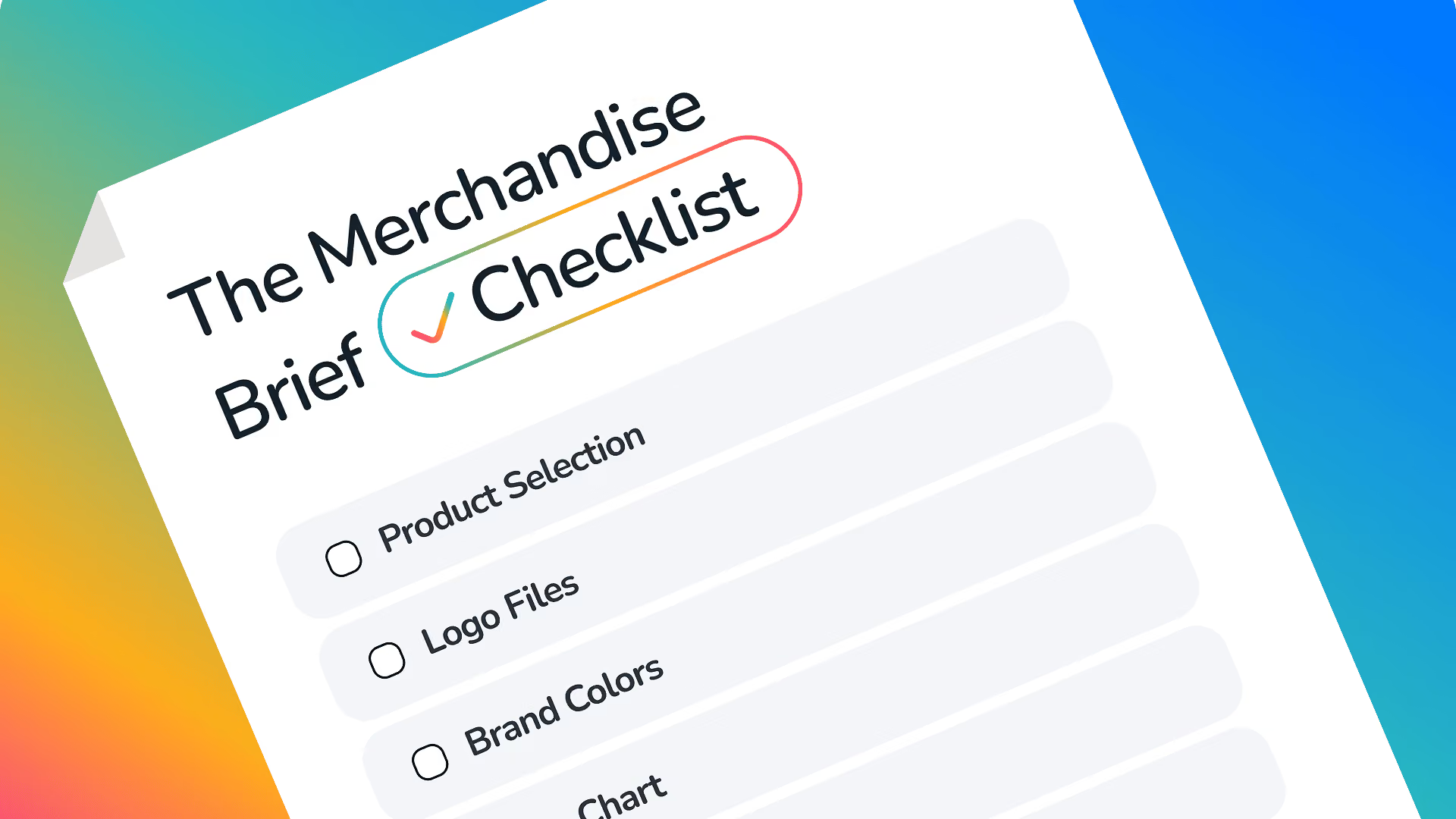
First-time buyers often lose time in back-and-forth with vendors simply because the initial brief was incomplete. The more specific your brief upfront, the faster you get an accurate quote, a realistic timeline and a product that matches what you had in mind. Here is everything you need to prepare before reaching out.

1. Know what you want, even roughly
You do not need a final decision before contacting a vendor, but having a rough idea saves a lot of time. Think about: the product category (apparel, bags, stationery, drinkware), the quantity, the approximate budget per unit and when you need delivery. Even a rough answer to these four questions lets the vendor give you a useful first response.
2. Have your logo files ready
This is the single most common cause of delays. Vendors need your logo in a vector format, AI, EPS or SVG files from Adobe Illustrator or a similar design tool. A JPEG or PNG from a website will not work for most printing and embroidery processes. If you only have a low-resolution image, ask your design team or agency for the source file before you brief the vendor. For embroidery, the vendor will also need to digitise the file, which is a one-time setup cost.

3. Confirm your colour specifications
Share Pantone or CMYK colour codes for your brand colours if you have them. This ensures the printed colour matches your brand identity rather than the vendor's interpretation of it. For embroidery, share the thread colours closest to your brand. If you are not sure, most vendors will share a thread chart for you to select from.
4. Prepare a size breakdown for apparel
If you are ordering t-shirts, polos, jackets or any apparel, you need a size breakdown before the order can go into production. Collect sizes from your team in advance. Most vendors work with S, M, L, XL, XXL. Some also offer XS and 3XL. Do not assume the vendor can split quantities evenly: production runs by size, so you need exact numbers.
5. Confirm your delivery address and timeline
Share the delivery location or locations, and the latest date you need the items in hand. Work backwards from your event date and give the vendor at least a few days of buffer. If you have multiple delivery locations, share a spreadsheet with names, addresses and quantities per location.
6. Ask for a physical sample if the order is large
For orders above a certain quantity, it is worth requesting a physical sample before the full production run. This lets you check the print quality, fabric feel and fit before committing. Most vendors charge a nominal fee for samples, which is credited back on the full order.

Green flags and red flags
A reliable vendor will ask clarifying questions rather than just sending you a quote immediately. They will confirm file formats, ask for your deadline and flag any potential issues with the design before production starts. A vendor who quotes you in five minutes without asking a single question is one to watch carefully. Good vendors also give you a production schedule so you know exactly where your order is at every stage.
Frequently asked questions
What information do I need to get an accurate merchandise quote?
Four details: the product category, the quantity, the approximate budget per unit and the delivery date. Even rough answers let a vendor respond usefully the first time.
What logo file format do vendors need?
A vector file: AI, EPS or SVG. A JPEG or PNG from a website will not work for most printing and embroidery processes. Missing vector files are the most common cause of delays. Embroidery also needs the logo digitised, which is a one-time setup cost.
Do I need to share Pantone or CMYK colour codes?
Yes, if you have them. They make sure printed colours match your brand rather than the vendor's interpretation. For embroidery, pick the closest thread colours, and most vendors will share a thread chart.
Why does a vendor need a size breakdown for apparel?
Production runs by size, so vendors need exact numbers per size and cannot split quantities evenly. Most vendors work with S to XXL, and some also offer XS and 3XL. Collect sizes from your team before you brief.
Should I ask for a sample before a large order?
Yes. A physical sample lets you check print quality, fabric feel and fit before committing. Most vendors charge a nominal fee, which is credited back against the full order.
What are the red flags when choosing a merchandise vendor?
A vendor who quotes within minutes without asking about artwork, file formats or deadlines, gives no clear timeline, and flags no risks. Reliable vendors ask questions, review your files, share a production schedule and offer after-sales support.
Related blogs
Make Your Next Order Your Best One Yet.